Why Retaining Walls Fail — and How We Build Them to Last
By Tyler Warker · May 5, 2026
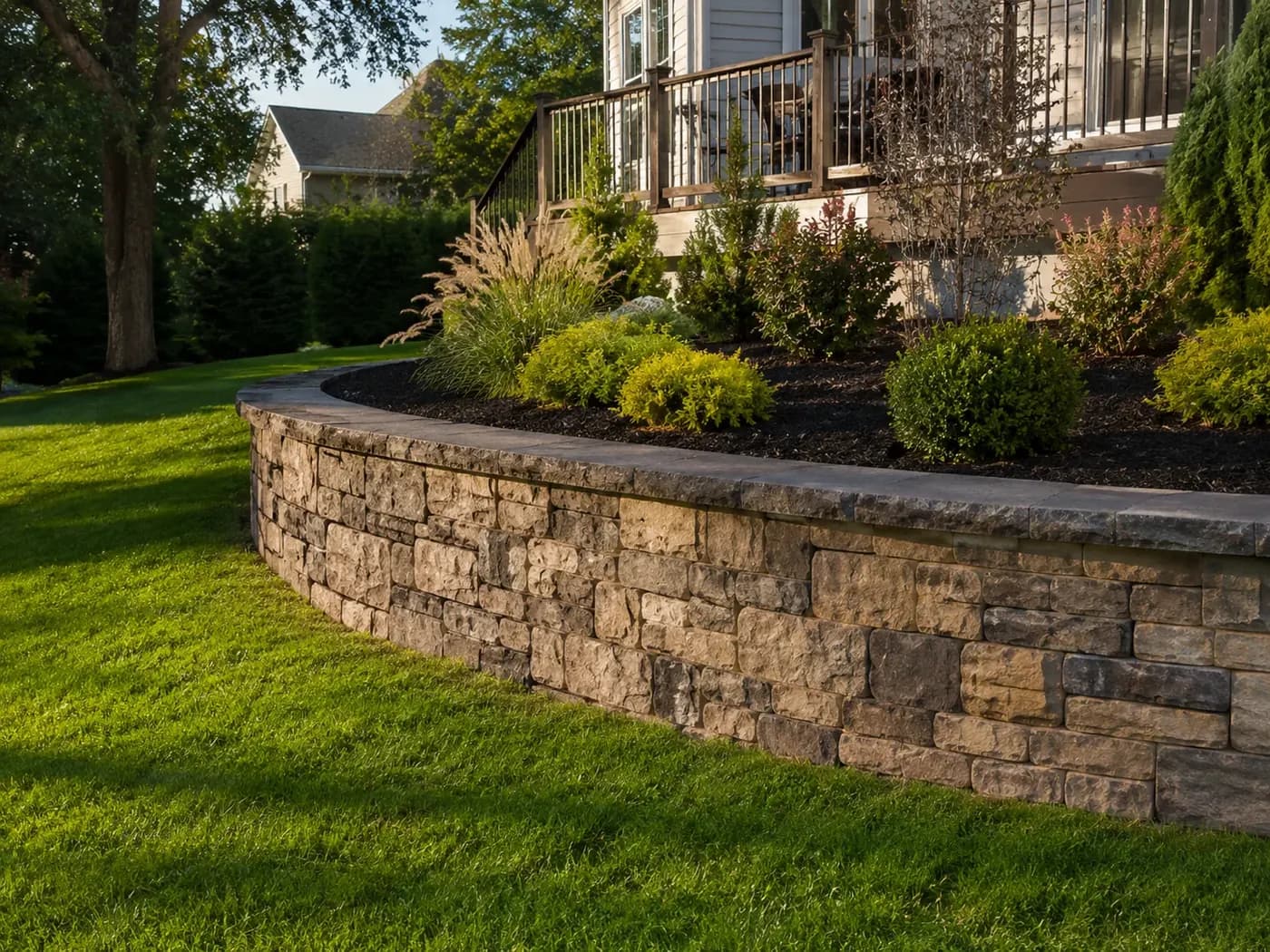
Drive around long enough and you'll spot them — retaining walls leaning forward, bulging in the middle, or stair-stepping apart at the joints. A retaining wall holds back tons of soil. When one fails, it rarely fails because of the blocks. It fails because of what you can't see.
What actually makes a retaining wall fail?
Nine times out of ten, the answer is water. Soil behind a wall soaks up rain. That waterlogged soil gets heavy, and in winter it freezes and expands. All of that pressure pushes against the back of the wall. Without a way to relieve it, the wall slowly loses the fight — it tips, bows, or cracks.
The second most common cause is a weak base. A wall set on soft, un-compacted soil settles unevenly, and once the bottom course is off, every course above it follows.
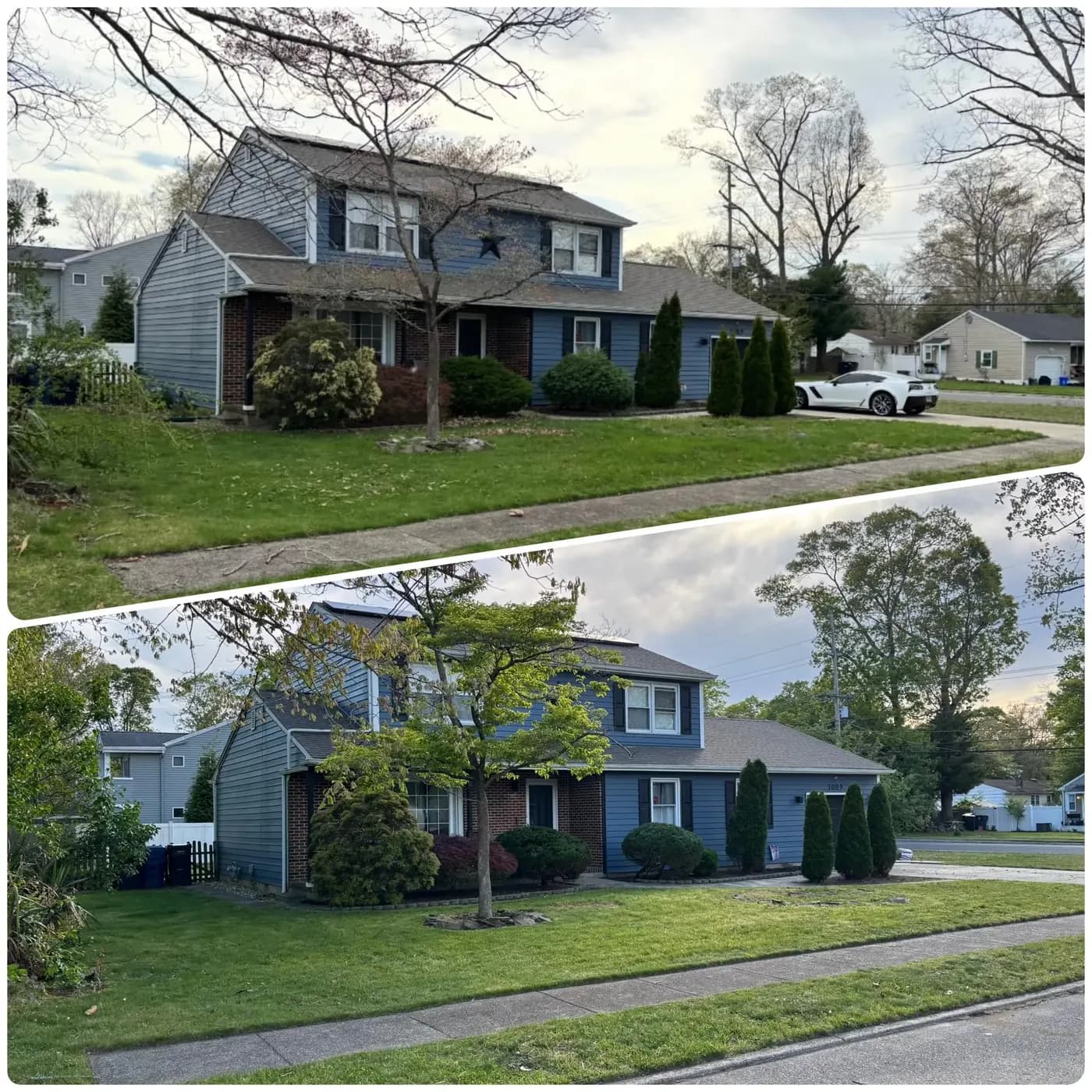
How do we build a wall that lasts?
Every wall we build gets a drainage layer — clean crushed stone behind the blocks and a perforated drain pipe along the base that carries water away before it can build up pressure. That single detail is the difference between a wall that lasts decades and one that bows in a few winters.
Underneath, we dig down to firm soil, lay a compacted gravel base, and level the first course obsessively — the first course is the whole wall. For taller walls, we add geogrid: layers of reinforcement that tie the wall back into the soil it's holding.
When should you worry about an existing wall?
If your wall is leaning, cracking, separating at the seams, or you see soil washing out from behind it, don't wait. A wall that's started to move will keep moving, and a rebuild costs far less than the damage from a collapse.
We'll come look at it, tell you whether it can be saved or needs a rebuild, and give you an honest estimate. Call (609) 674-4715.
Want it done right the first time?
Free estimates across South Jersey — no pressure, just honest advice.